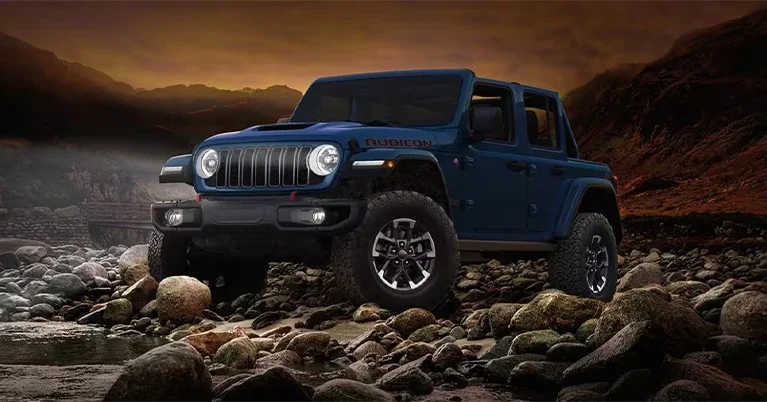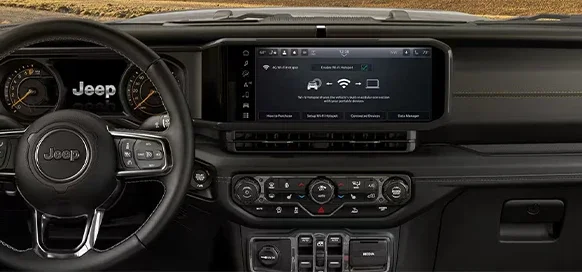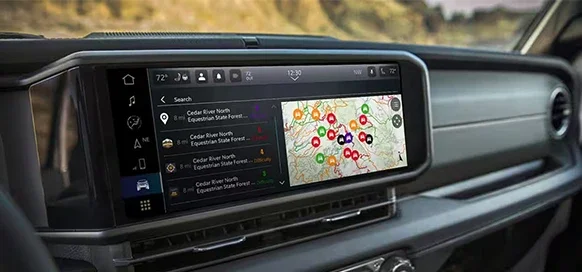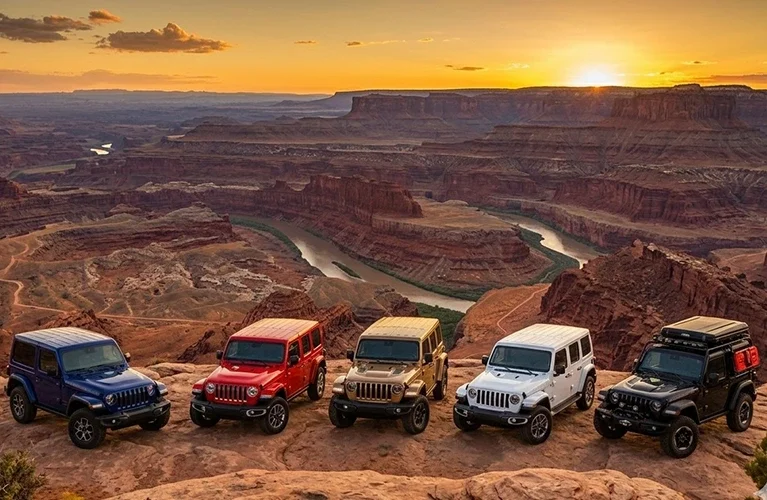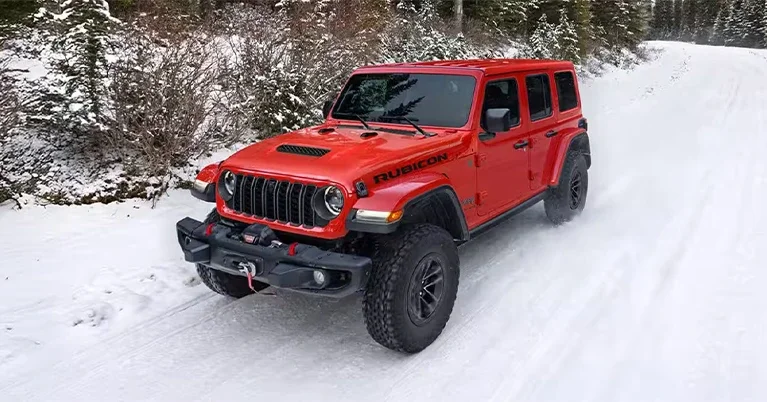




The Jeep Wrangler traces its origins to the military reconnaissance vehicles of World War II. After proving its durability on the battlefield, the civilian version, known as the CJ (Civilian Jeep), was introduced to the public. In 1987, the Wrangler nameplate officially debuted, replacing the CJ series while retaining the iconic round headlights, seven-slot grille, and open-air capabilities. Over several decades, the vehicle has evolved from a utilitarian tool into a modern SUV that combines off-road hardware with contemporary technology. It remains a symbol of American engineering and outdoor freedom, maintaining a body-on-frame construction and solid axles for maximum durability.
Jeep Wrangler Performance and Capability
The mechanical foundation of the Jeep Wrangler centers on its 4x4 systems. Most models come equipped with the Command-Trac® Part-Time 4x4 System, while higher trims utilize the Rock-Trac® system for a 4:1 low range. Engine options vary to meet different power requirements:
- 3.6L Pentastar® V6 Engine: This engine provides a balance of horsepower and torque, suitable for towing and highway driving.
- 2.0L Turbocharged Engine: This four-cylinder option offers increased torque at lower RPMs, which is beneficial for technical off-road maneuvers.
- 6.4L HEMI® V8 Engine: Available on the Rubicon 392, this engine delivers high-output performance for those seeking maximum acceleration.
- 4xe Plug-In Hybrid: This powertrain combines an electric motor with a gas engine for improved efficiency without sacrificing off-road capability.
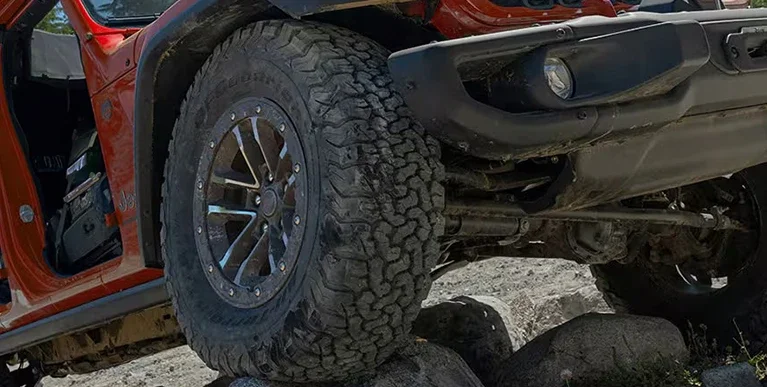
The vehicle features high ground clearance, skid plates to protect the underbody, and sealed electrical systems that allow for water fording in specific depths.
Jeep Wrangler Lease Specials